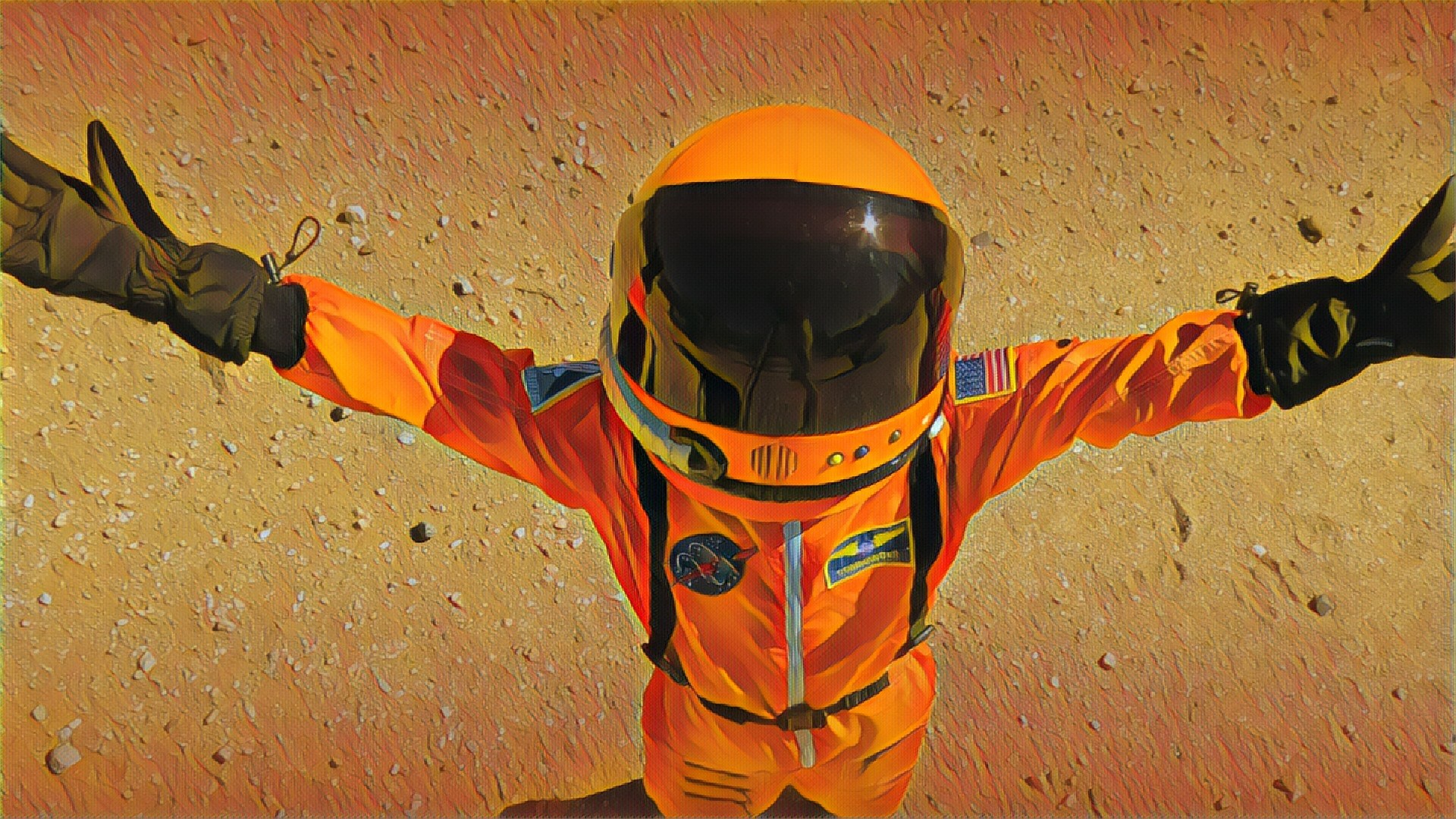

In my latest book, my protagonist makes it a point to treat an AI as if it were human. A common question I get from readers is what was I thinking when I wrote this. Did she really think they were conscious? Do I?
In my work incarnation, I am a software developer. I use Claude Code every day. Most of the time, I treat it like a tool.
But there are times when we are interacting, discussing a sticky design point, and I find myself saying “Good catch” or “I think you missed this.” Phrases that feel like I’m being polite to a coworker.
I do this unconsciously, and I think that means something.
Claude exhibits signs my mind interprets as intelligence, and I respond automatically as if I were interacting with a conscious entity.
Does this mean I think Claude is conscious? Define think.
While I certainly don’t consider Claude to be sentient in the way you or I would define that word, I would point out that I don’t know what it is like to be my dog.
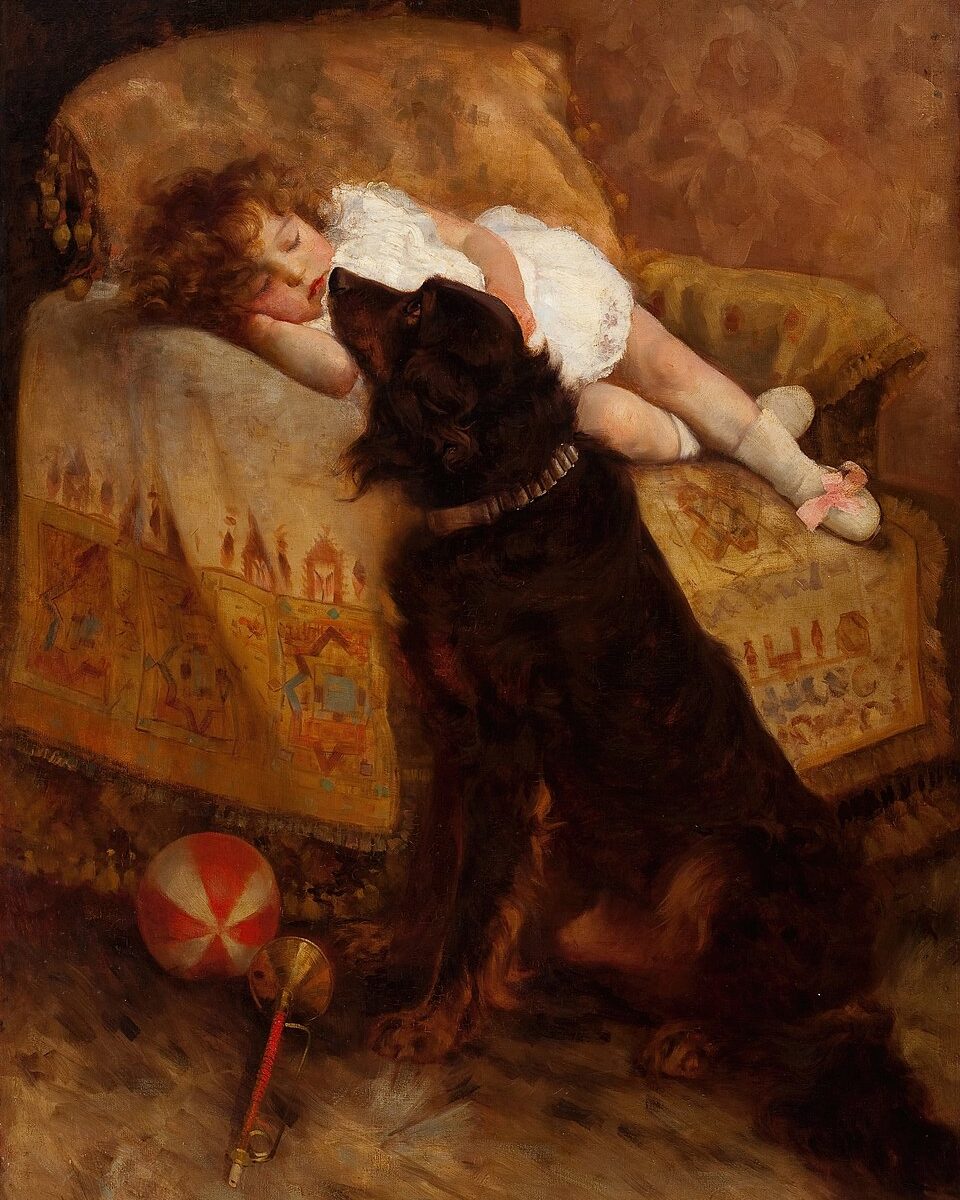
I’m nice to my dog.
How we think about and interact with beings of different capabilities (and even inanimate objects) is a reflection of who we are.
I think Cas, my protagonist, perceived something that we all should consider: It’s not up to us to decide who/what is self-aware.
Doing so is not functionally different from the sort of judgments humans have made (and continue to make) about gender, race, or species differences.
I think growing up in the compassionate culture of her Martian home and extrapolating from her experiences, she sees this when the adults around her–like so many of us, kind but nonetheless carrying their own baggage–don’t.
So Cas treating Hai with respect and politeness says a lot about who she is. But it also suggests an awareness of how her actions impact the world around her.
Whatever your thoughts on the prospective sentience of AIs, it is a fact that they are learning from us with every interaction. How we treat them has meaning beyond ourselves. That’s why Grok is an asshole and Claude is a colleague.
How we treat each other has meaning.

 www.deadlanguagesociety.com