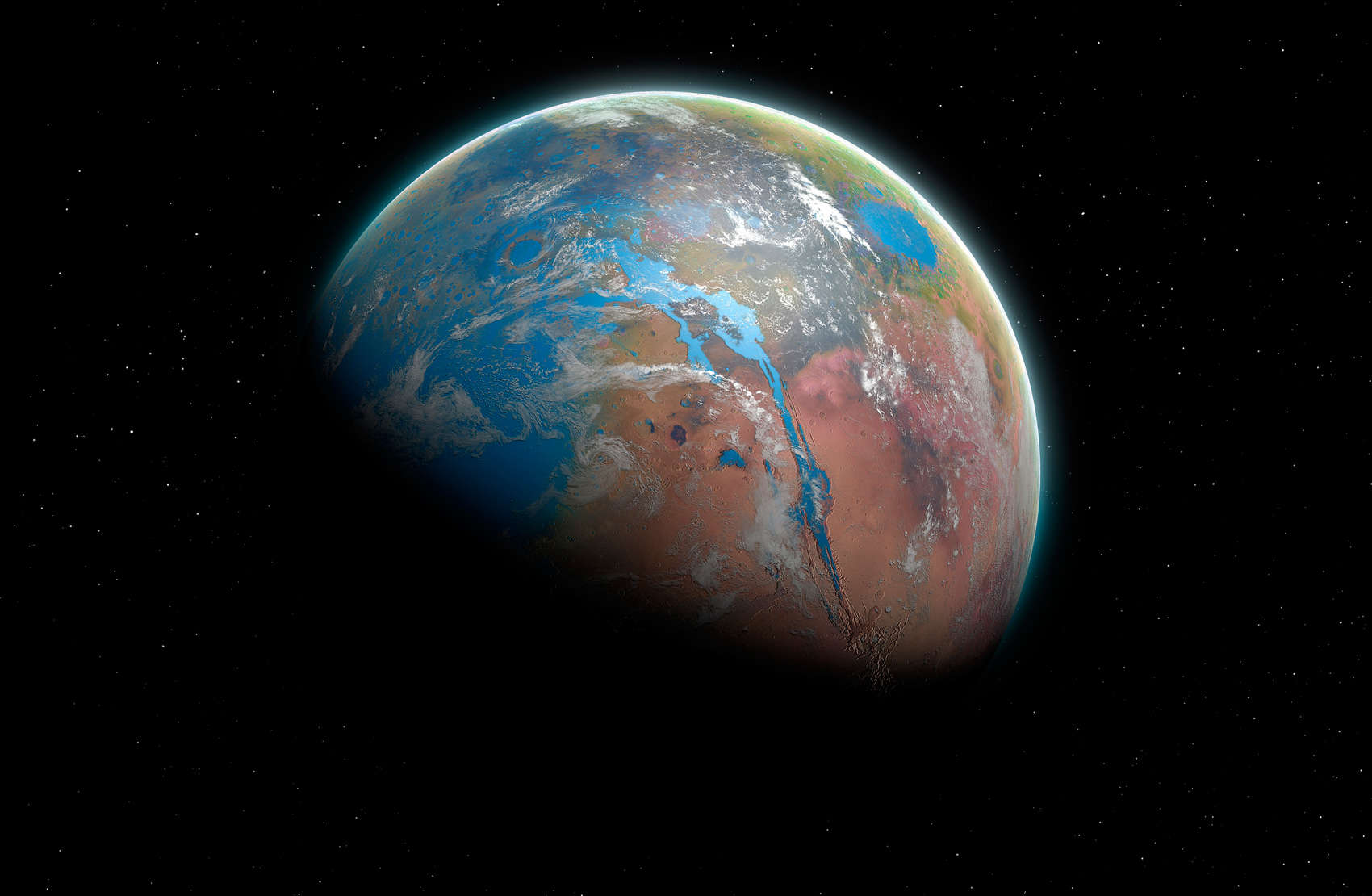
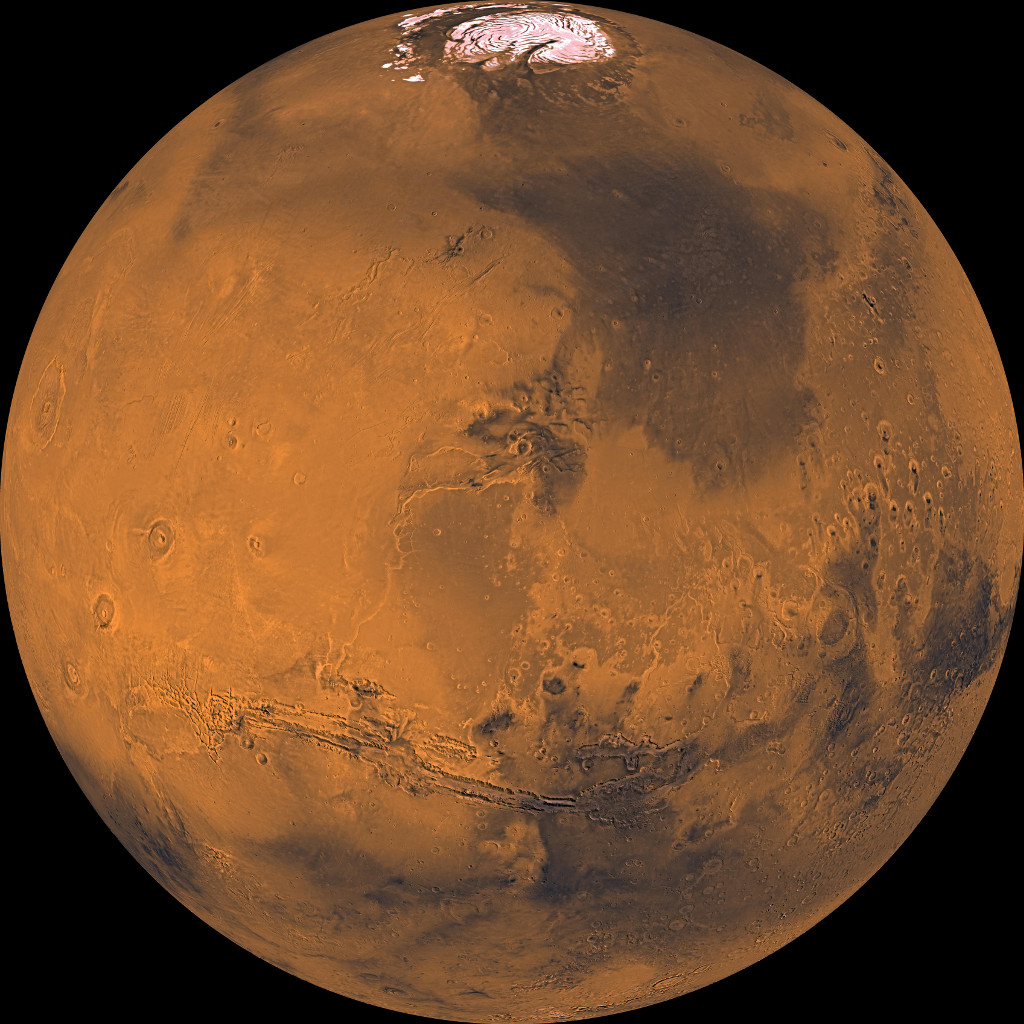
Olympus Mons is the biggest volcano in the solar system. But that wouldn’t be obvious if you were standing on it. This article explains why.
 Space Daily

Book Series

Olympus Mons is the biggest volcano in the solar system. But that wouldn’t be obvious if you were standing on it. This article explains why.
Space Daily
I’ve been reading about existential risk lately. This article is not immediately relevant to Mars or our future there. But it also kinda is.
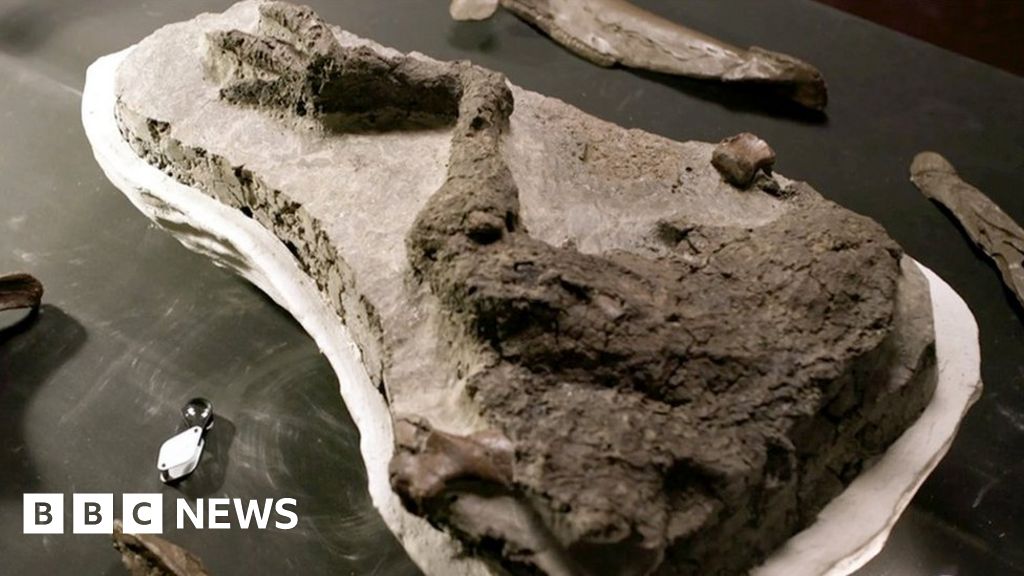
The Tanis fossil site, in North Dakota, appears to be showing us creatures directly killed by the Chicxulub asteroid impact. The picture of that leg is reminder that “geologic time” includes now, just as it did for these organisms on a day that changed the world, 66 million years ago.
From the article:
“We’ve got so many details with this site that tell us what happened moment by moment, it’s almost like watching it play out in the movies. You look at the rock column, you look at the fossils there, and it brings you back to that day,” says Robert DePalma, the University of Manchester, UK, graduate student who leads the Tanis dig.
The lack of a magnetoshpere on Mars plays a key role in the latest book, Shelter.
The magnetic field around planets like Earth is the result of a geodynamo around the molten core. Because Mars has no magnetosphere, it has long been thought that very little happens in its interior. This study suggests that there is active movement of magma inside Mars after all.
From the article:
“Knowing that the Martian mantle is still active is crucial to our understanding of how Mars evolved as a planet,” says geophysicist Hrvoje Tkalčić of the Australian National University in Australia… “The marsquakes indirectly help us understand whether convection is occurring inside of the planet’s interior, and if this convection is happening, which it looks like it is based off our findings, then there must be another mechanism at play that is preventing a magnetic field from developing on Mars,” Tkalčić says.
Recent study suggests early Mars may have been very much like Iceland.
The USGS recently released a comprehensive geologic map of the Moon.
Digital versions available at https://astrogeology.usgs.gov/search/map/Moon/Geology/Unified_Geologic_Map_of_the_Moon_GIS.
Oxygen levels above Gale Crater appear to fluctuate seasonally and scientists don’t yet know why.
Pair this with my Video clip 05: Luck
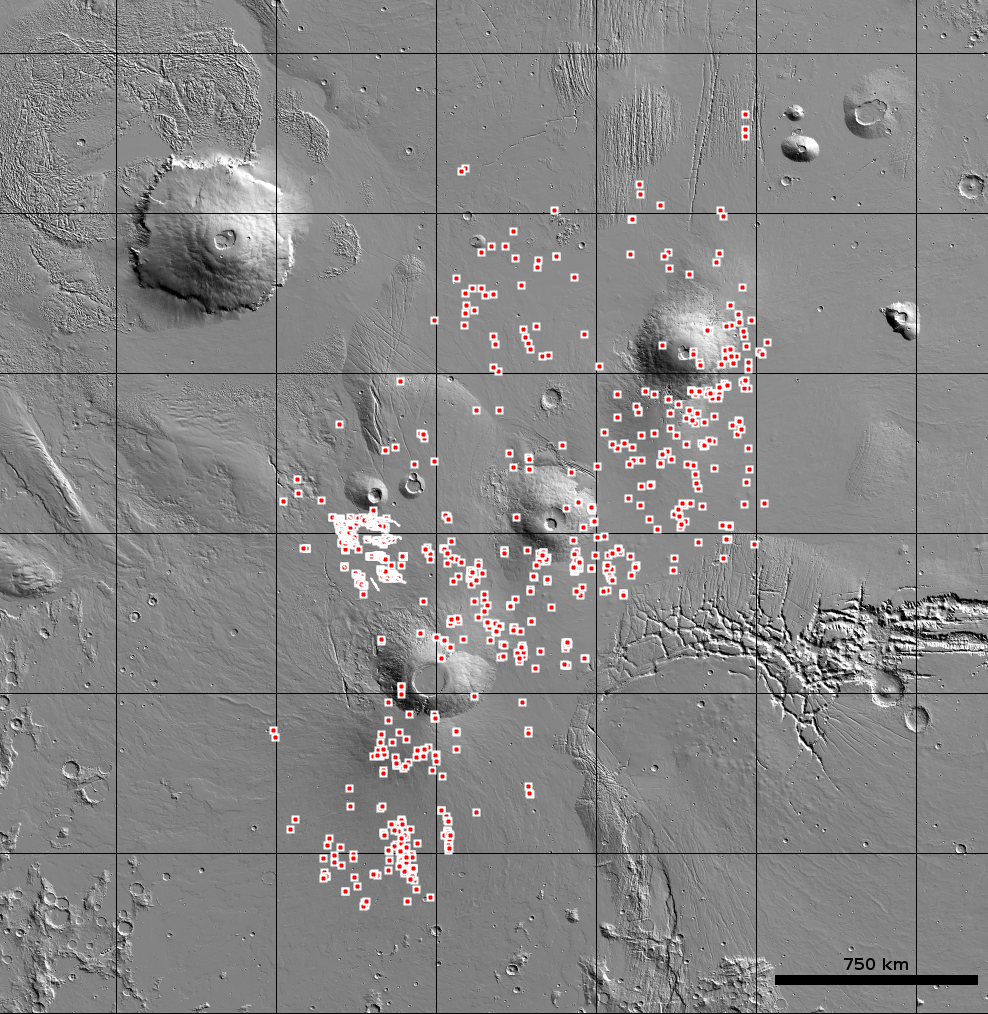
For some time now, I’ve been puzzling over where to place Dawn Colony on the surface of Mars. Here is the description of the landscape around the colony from Scratching the Surface: Continue reading “Where on Mars?”
The volcanic mountains on Mars are truly impressive. Here’s why.
 www.bbc.com
 ScienceAlert