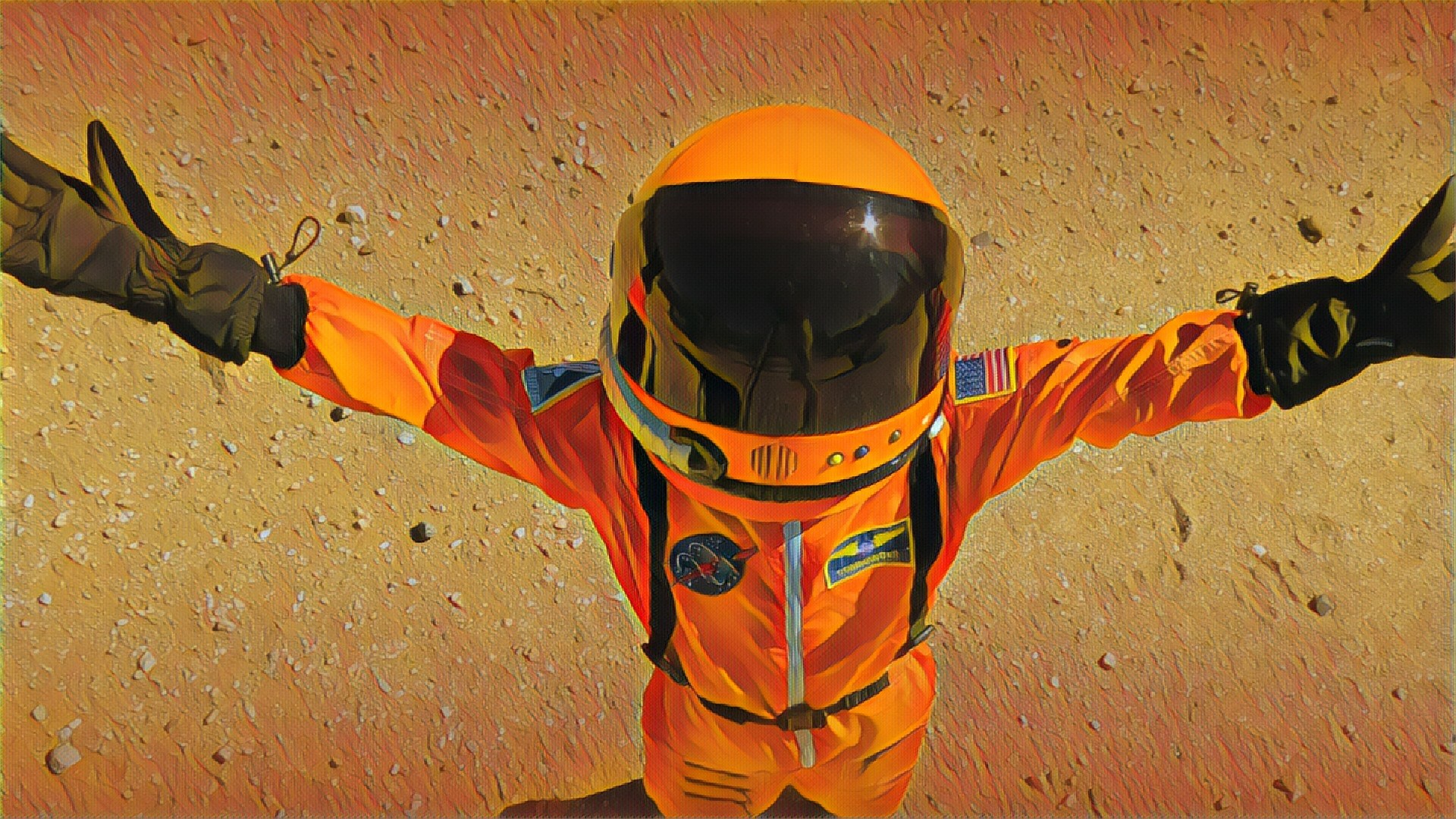

Loo

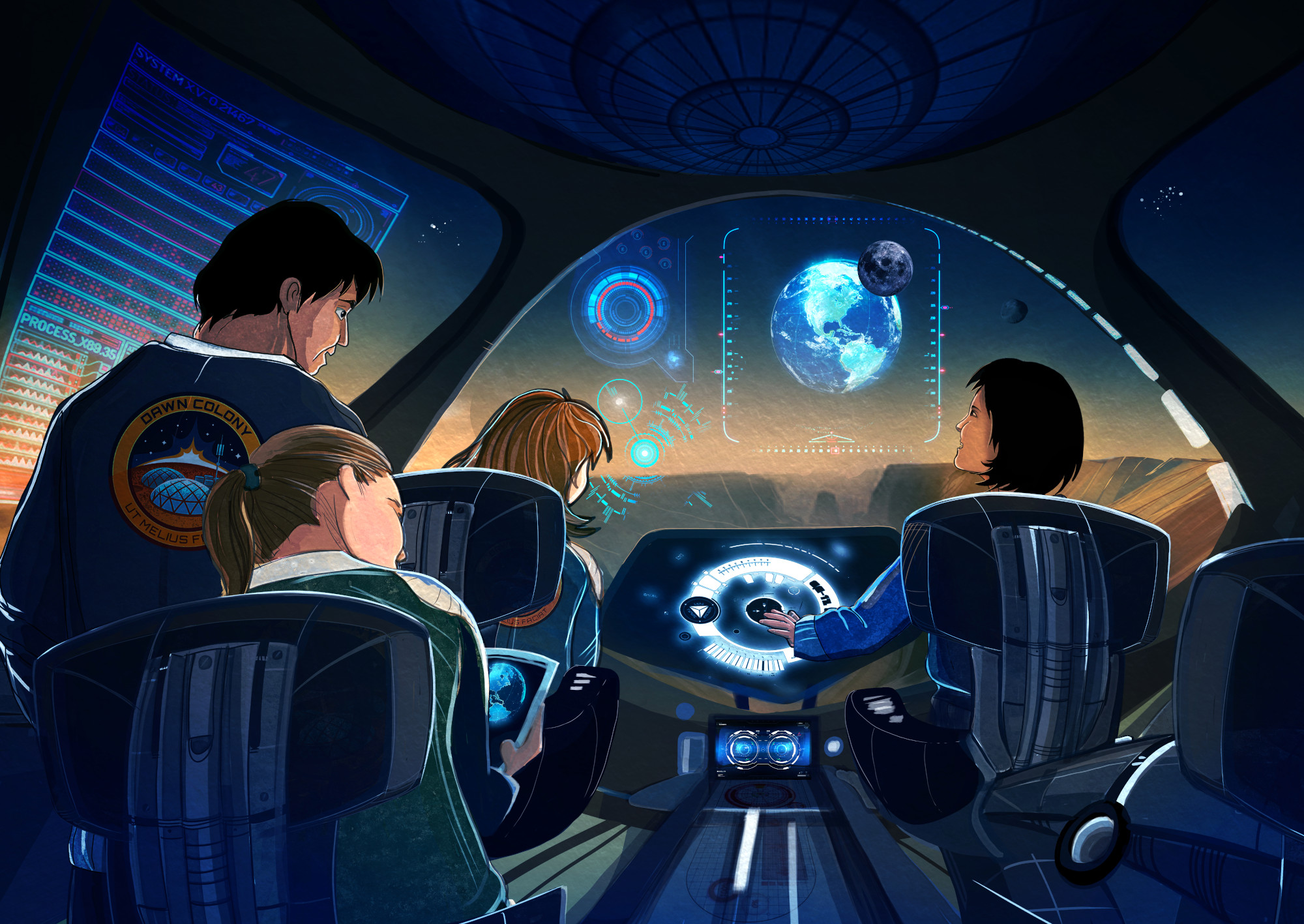
Cas smiled. “Now, press the button that says ‘Pressurize’,” she said. After a slight pause, she saw the sides of the loo go taut. “Let me know when the light turns green.”

“It’s green,” said Ori, voice high and nervous.

“Ok,” said Cas, “now you can open your suit and go to town.” She waited a bit. Then she made a loud fart sound with her tongue that left a splatter of spit on the inside of her visor.

“Cas! Stop it!” said Ori.

Shelter: Generation Mars, Book Two

Coming in March

(image: Luis Peres)

Sisters

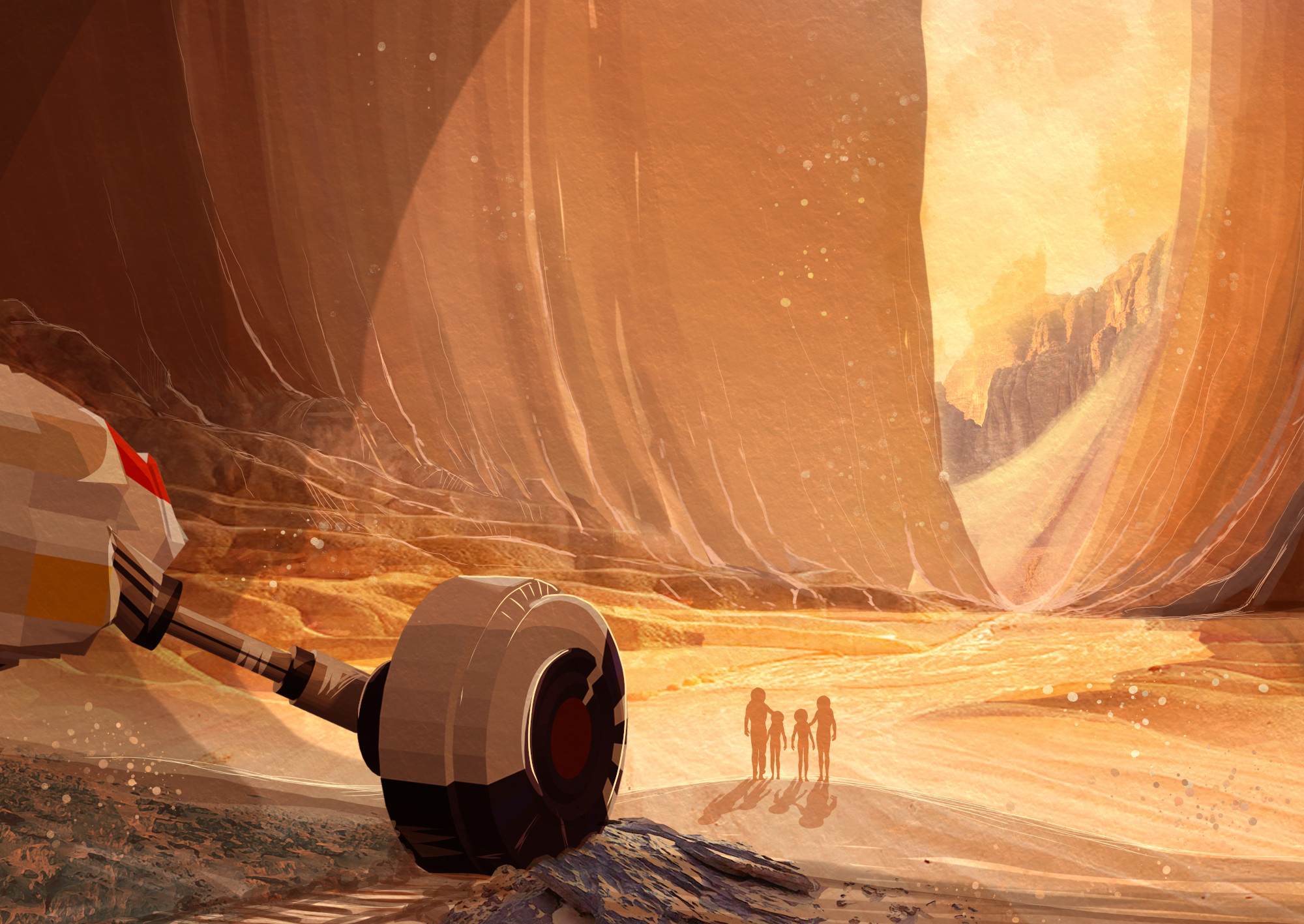
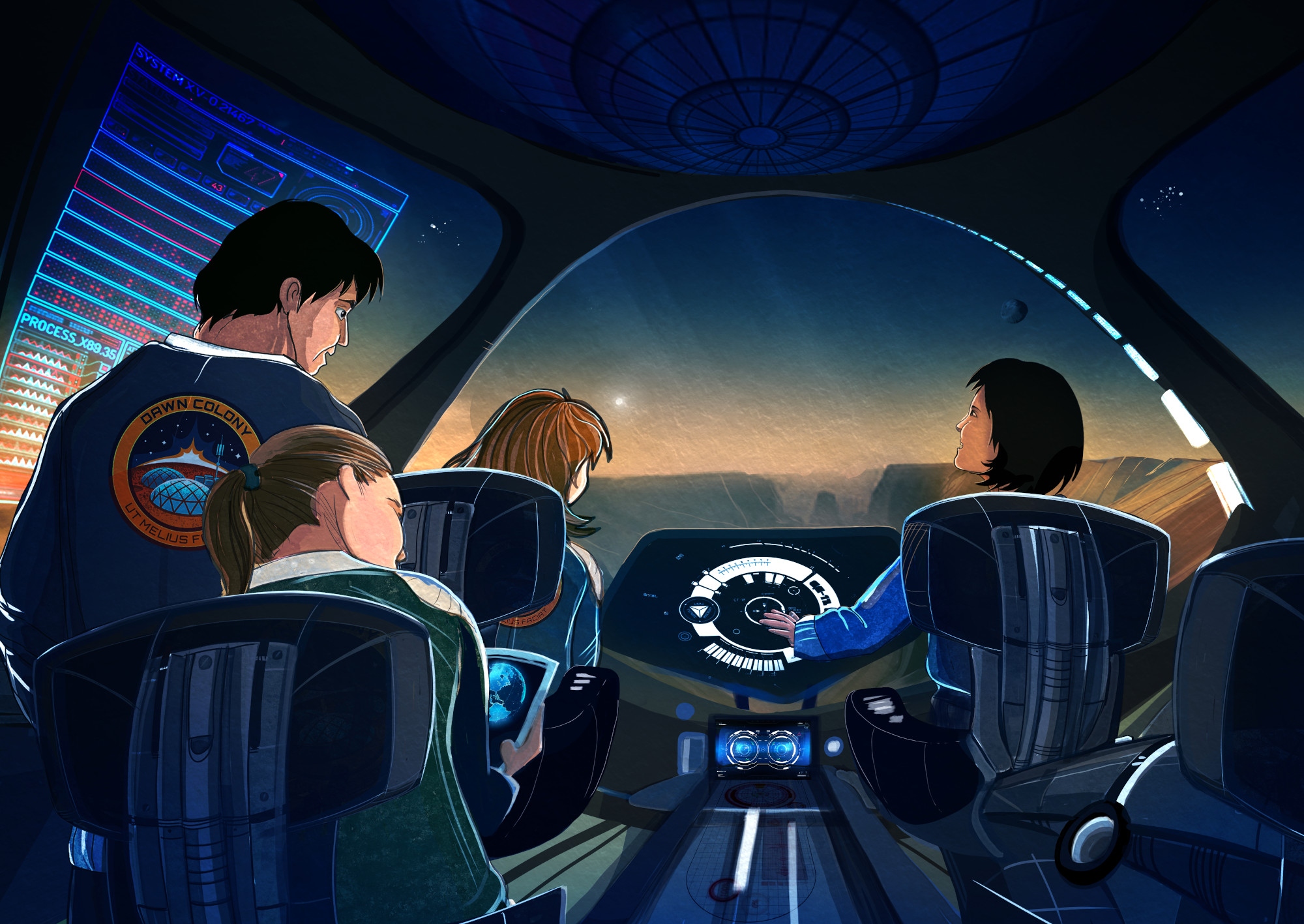
Cassidy Byrne-Alli was the first child born on Mars. That had been almost five years ago—Martian years, which made her almost ten in Earth years. Her sister, Oriana, had been born one Martian year later. Other children had been born since Cas as well. Those who were old enough attended the first Martian school—currently just one classroom shared by all ages. That classroom, and the rest of the colony, was deep underground in caves left behind by ancient lava flows. Kids older than four attended Surface Training three times a week.

Shelter: Generation Mars, Book Two

Coming in March

(image: Luis Peres)

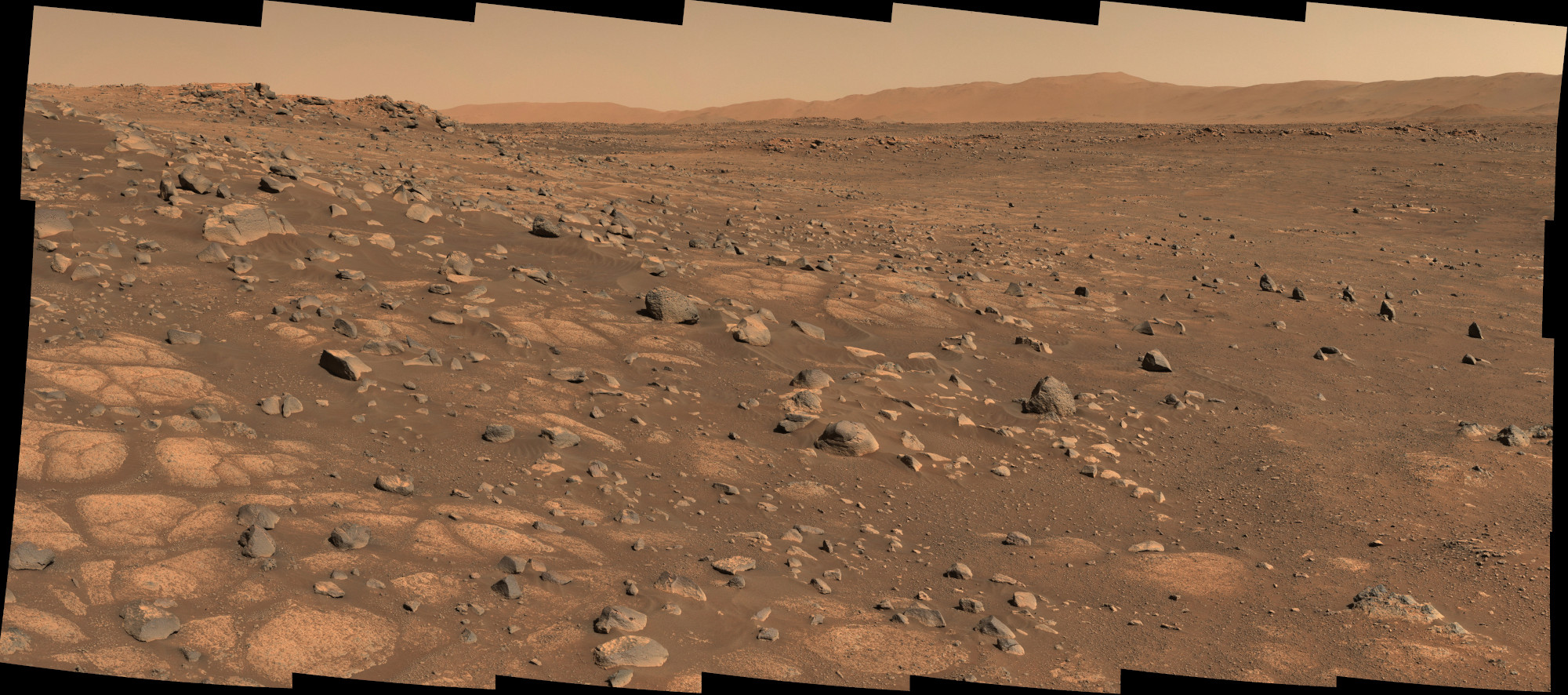
Hellas Planitia

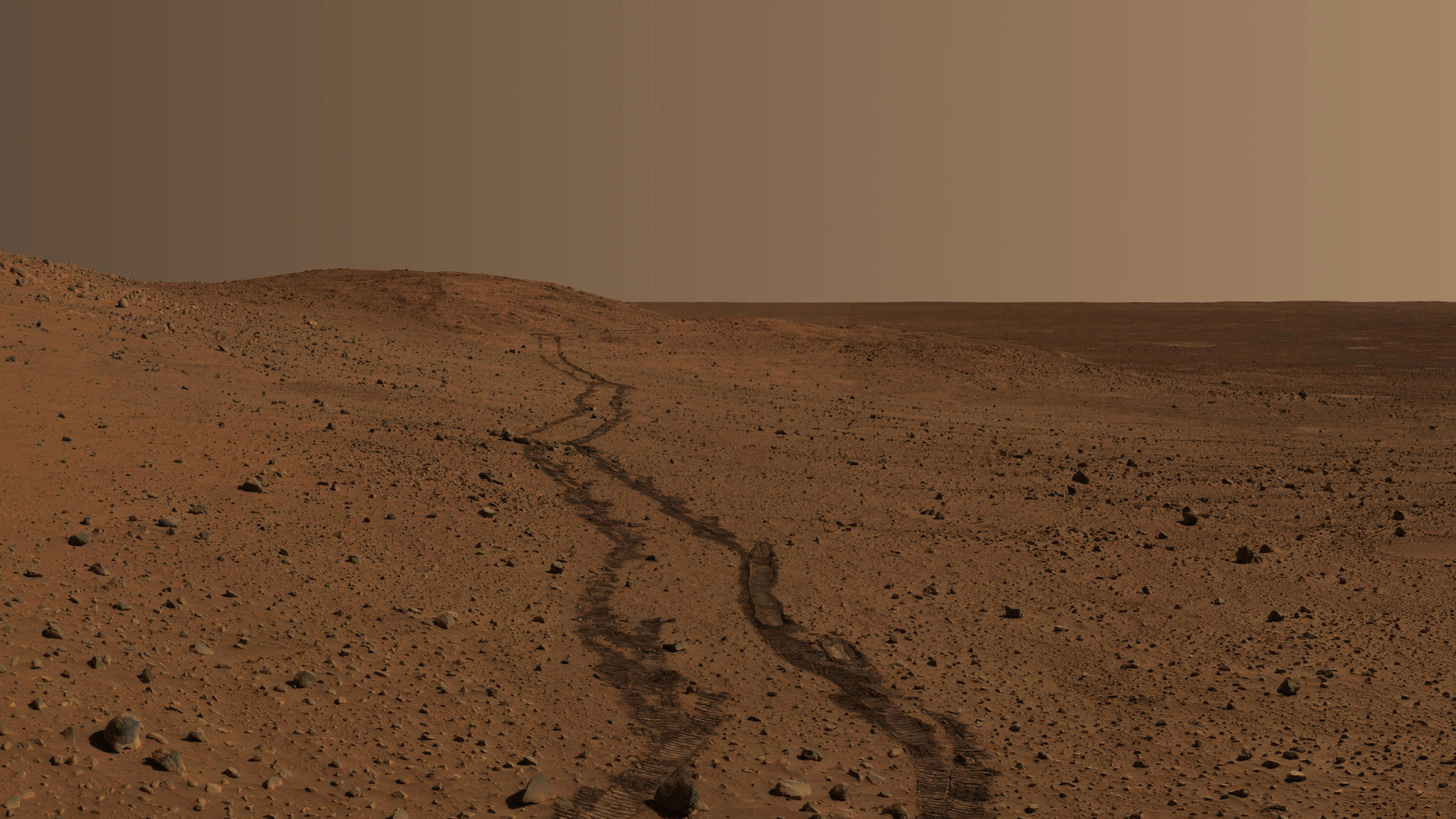
Hellas Planitia is an impact basin in the southern hemisphere of Mars. Impact basin is the term scientists use when they mean “really big crater,” and, as craters go, Hellas is huge. Mars has two of the largest impact basins in the solar system, and Hellas is one of them. The object that struck here, four billion years ago, was big enough to leave a crater 2,300 kilometers across and 7,152 meters deep. The tallest mountains of Earth could sit in the bottom of Hellas and barely peek over the rim.

Four billion years later, the impact of that object turned out to be critical for human existence on Mars.

Shelter: Generation Mars, Book Two

Coming in March

#mars #scifi #childrensbooks

(image: Luis Peres)

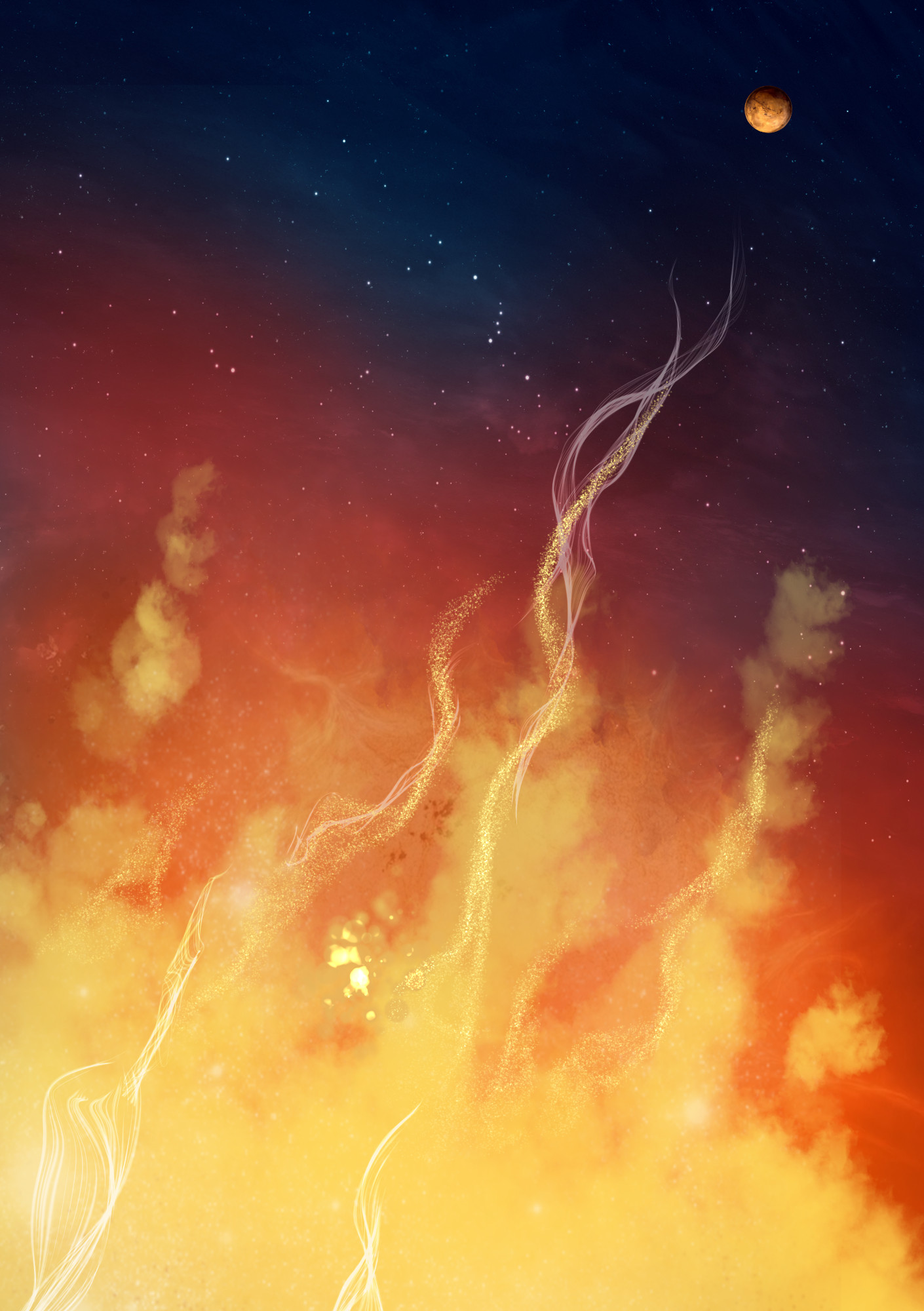
Third book cover reveal

Oye! Just uploaded files to my printer for the third book. Now some back and forth, digital and print, to iron out the kinks before release. If all goes as planned, preorders start February 14 for a March 1 release. Time to reveal the cover!

illustrated by Luis Peres

Mars optimism

A succinct and optimistic piece from Chris Carberry and Rick Zucker at Explore Mars on why a commitment to putting humans on Mars is a good idea right now.
“After over 18 months of worldwide upheaval and social isolation resulting from the COVID-19 pandemic, people crave optimistic, ambitious, affordable and achievable programs that can help us overcome the negativity and division that hinders us.”

Coronal Mass Ejections

The Sun has been on a tear lately: hurling coronal mass ejections, one after another, across the solar system.

Here on Earth, the effects are mostly pretty (aurora) and occasionally annoying (power grid problems, satellite orientation issues).

On the surface of Mars, the effects would be more serious. With no magnetosphere and very little atmosphere to deflect and slow the incoming particle radiation, humans would have to seek shelter during the resulting solar particle event.

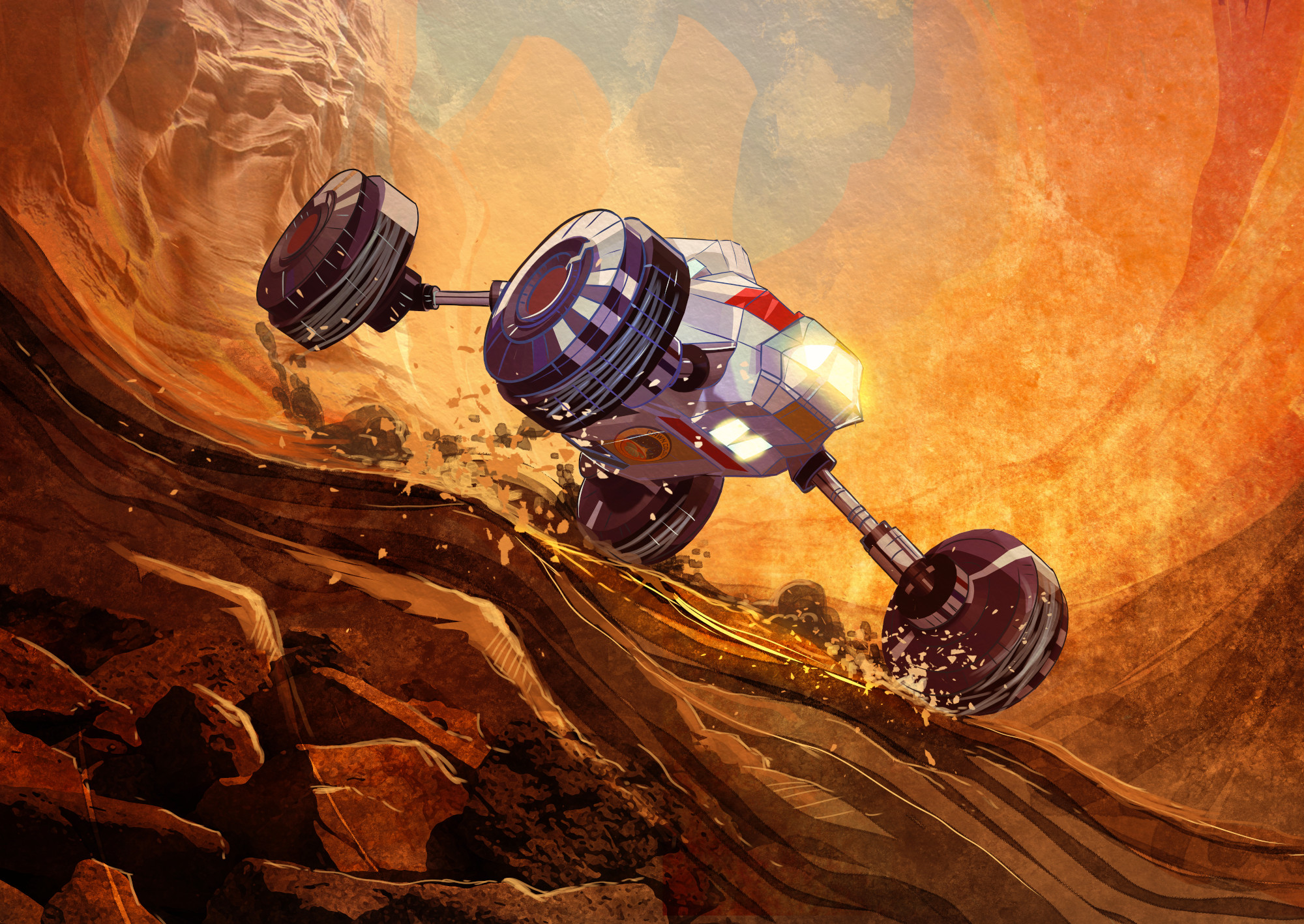
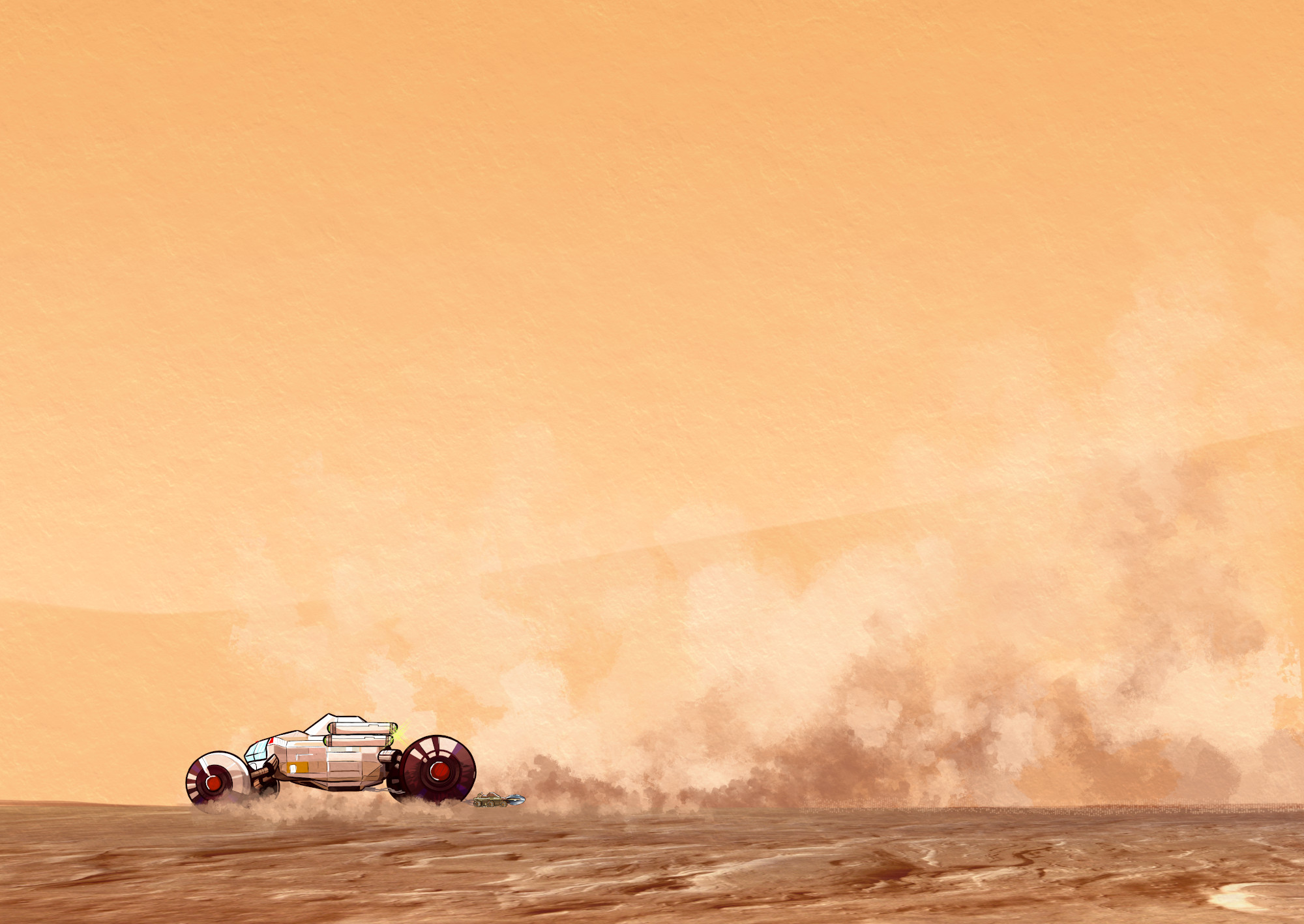
This is exactly what happens in my forthcoming book, Shelter: Generation Mars, Book Two. The sisters, Cas and Ori, and their parents are on an away mission when a solar particle event forces them to cut their plans short and find shelter where they can. A series of equipment failures makes their situation increasingly dire. Will the sisters be able to help the family survive? Find out in early 2022.

In the meantime, if you’re lucky, maybe you’ll see the aurora.

image: NASA Goddard Space Flight Center

#auroraborealis #solarsystem #spaceweather

Starship will change everything

This is a long read, but worthwhile. It is not hyperbole to say that Starship will change everything. And it will happen faster than the current space industry is prepared to adapt.

From the article:

“There are still major risks on the critical path between now and a fully reusable Starship, but no miracles are required to solve them.

Starship will change the way we do business in space, and now is the time to start preparing.

Annual capacity to LEO climbs from its current average of 500 T for the whole of our civilization to perhaps 500 T per week. Eventually, it could exceed 1,000,000 T/year. At the same time, launch costs drop as low as $50/kg, roughly 100x lower than the present. For the same budget in launch, supply will have increased by roughly 100x. How can the space industry saturate this increased launch supply?

Prior to Starship, heavy machinery for building a Moon base could only come from NASA, because only NASA has the expertise to build a rocket propelled titanium Moon tractor for a billion dollars per unit. After Starship, Caterpillar or Deere or Kamaz can space qualify their existing commodity products with very minimal changes and operate them in space.

Even if the space industry fully understood Starship, I think it would be very difficult for them to plan and adapt rapidly enough to match the coming explosion in launch capacity.”