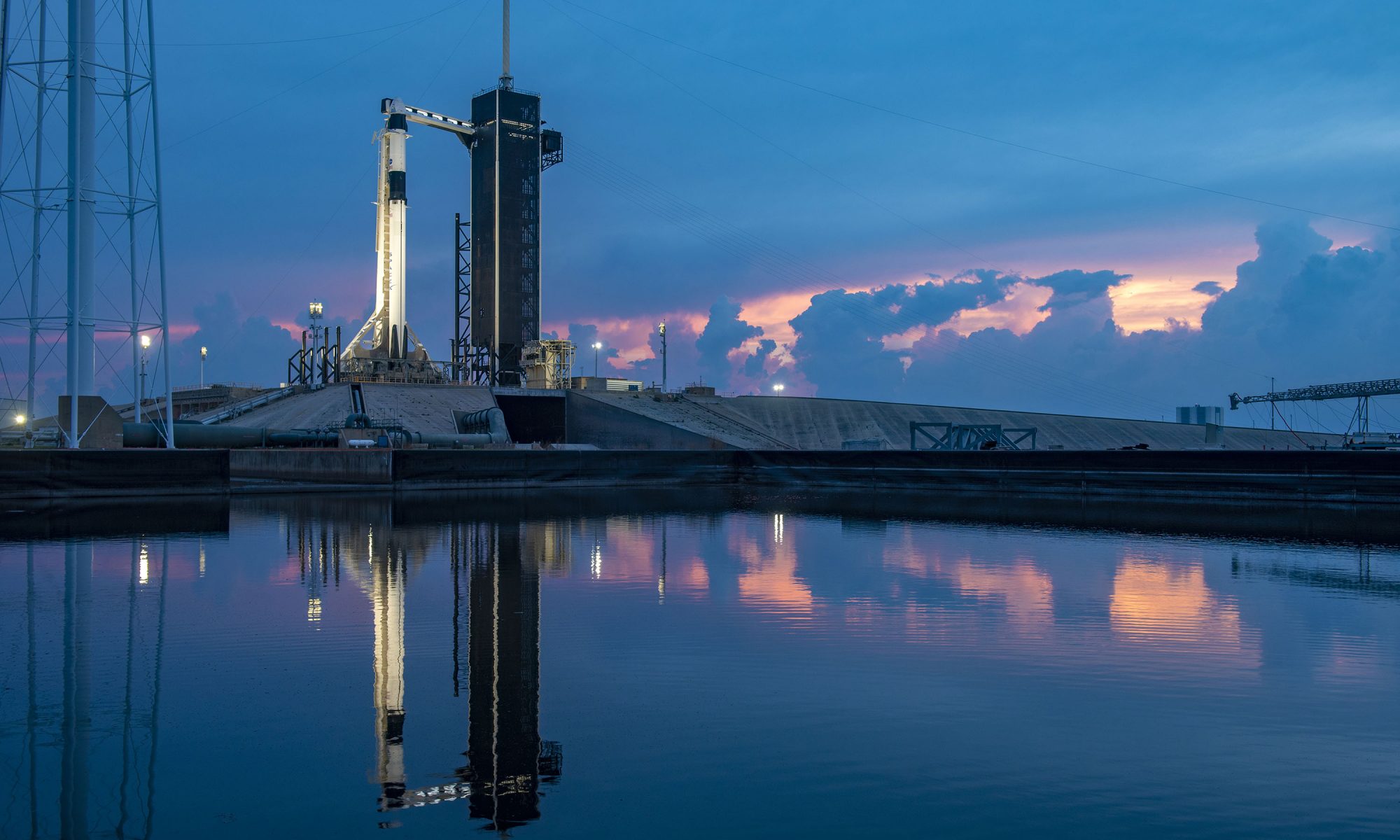
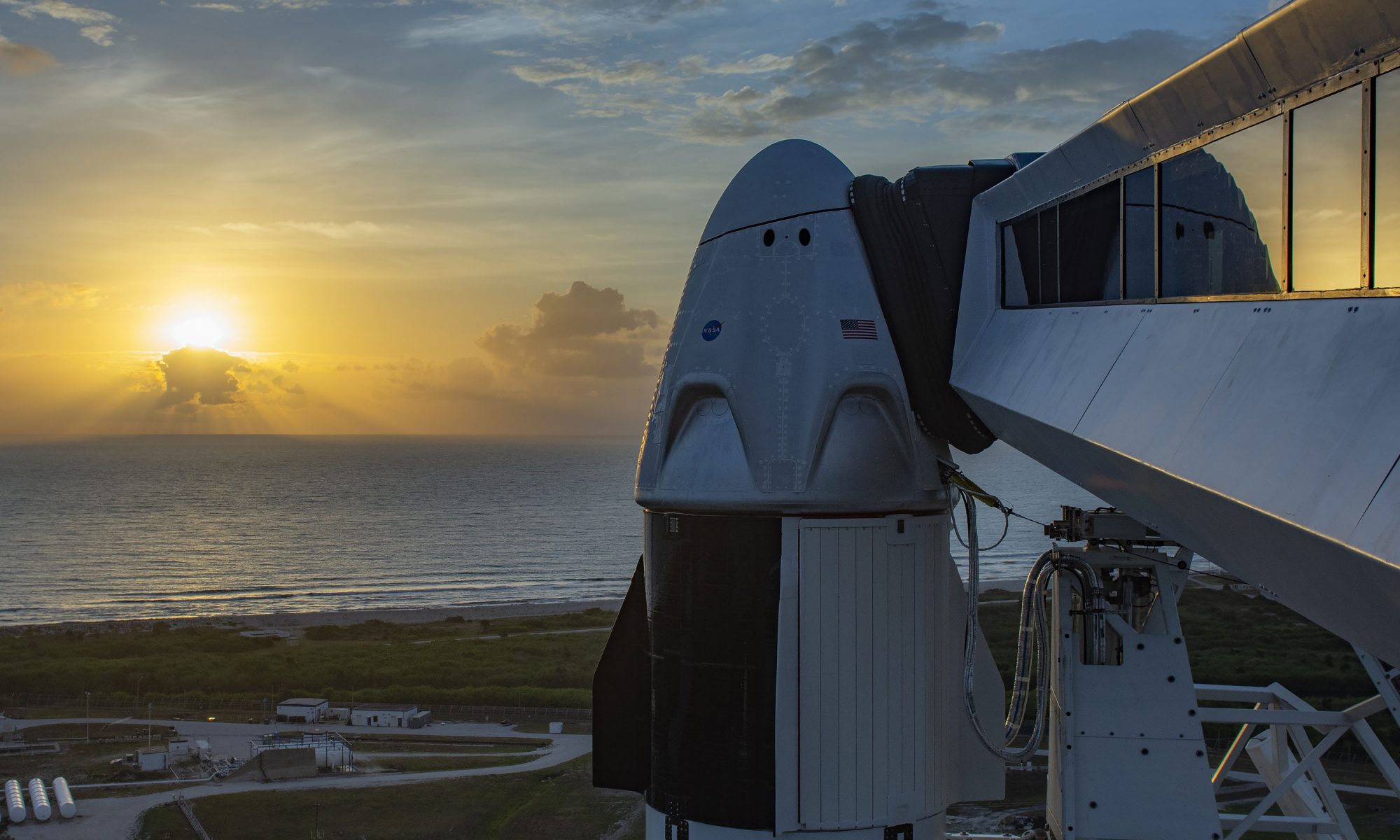
In about two hours, if the weather allows, SpaceX will be launching two astronauts in a Crew Dragon capsule to the ISS for the first time. This is a big deal.
Nine years ago, I watched the last shuttle launch with my kids. The oldest was three years old, and the other was one, so they have no recollection of this. Since then, they have grown to awareness in a world in which the US is incapable of launching its own astronauts into space.
This launch means that will now change. But this launch goes beyond just returning human-launch capability to US soil. That’s cool and all, but focusing on it is a bit short-sighted. This launch marks a turning point in humankind’s relation to space.
SpaceX, with its rapid development of Cargo Dragon, Falcon 9, and Falcon Heavy, has managed to decrease the cost of getting things to space by orders of magnitude. When it is possible to launch lots of stuff cheaply, we’ll launch lots of stuff. Now, with Crew Dragon, SpaceX is going to do that for humans. And when it becomes possible to launch lots of humans cheaply, we’ll launch lots of humans.
Lots of humans and lots of stuff in space means, well, it could mean anything. But mostly, it’s a critical step toward becoming a space-faring civilization. And that’s why this is a big deal.

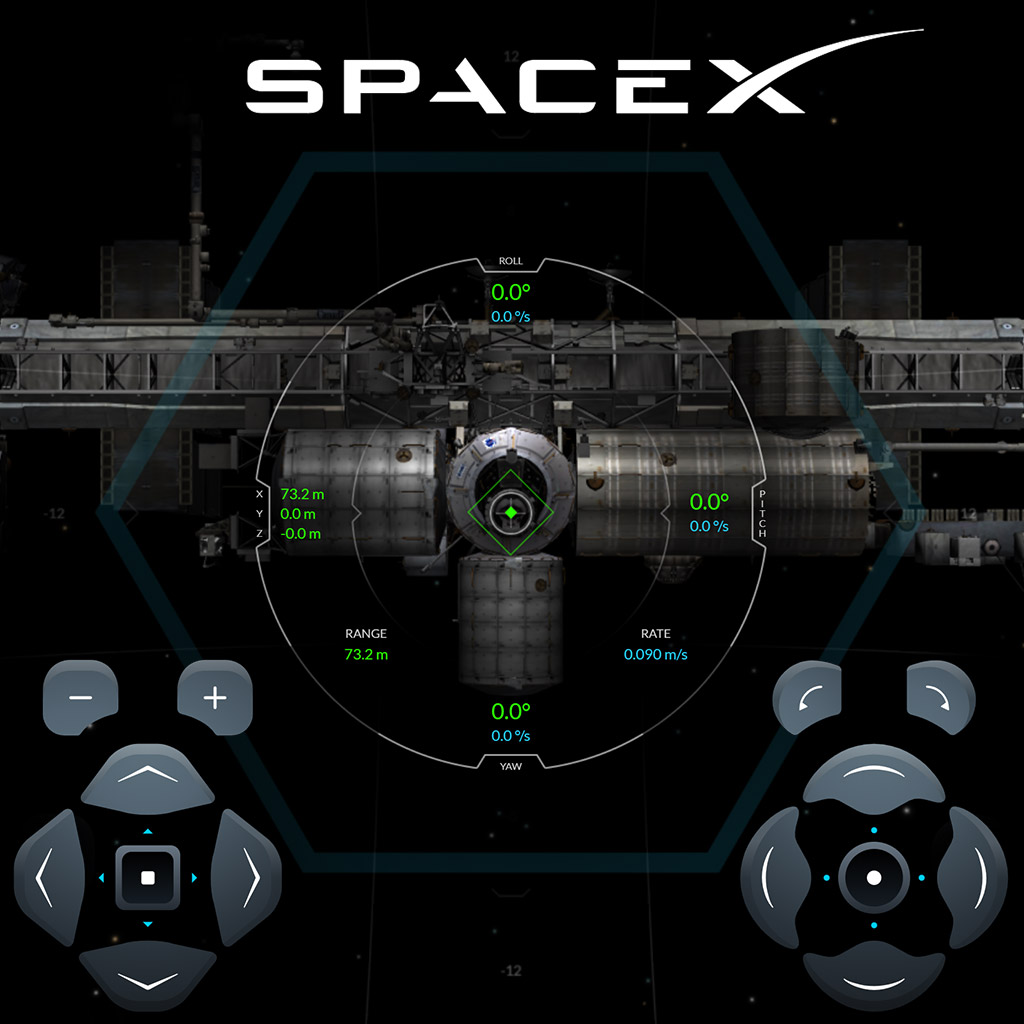
 SPACEX - ISS Docking Simulator
 Live Science
 Mensa for Kids

 Rae Knightly
 youtu.be
 Futurism